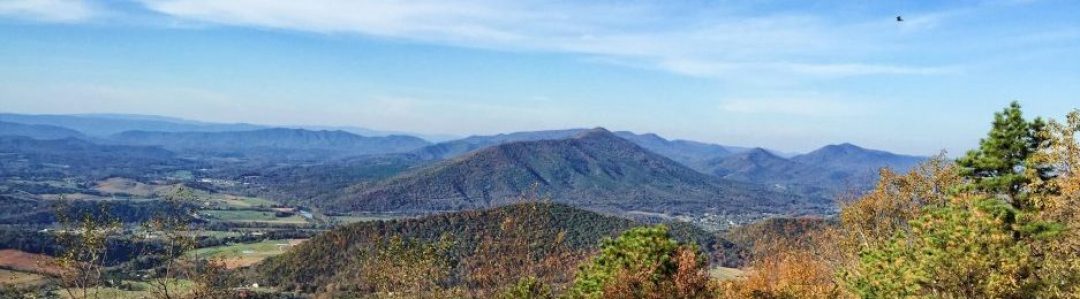
Can’t believe our visit is already just about over. We spent the day before our travel day with the Tolenaars. Fred very generously offered to take us on a tour of Delfshaven, the older, only un-bombed area of Rotterdam; the new market hall area; the Hoek of Holland, a beach area in the southwest corner of the country at the mouth of the shipping canal into the north sea; and Maasvlakte 2, a heavily industrial and port area made entirely on reclaimed land. All of it was impressive.
We started out in Delfshaven, looking at the old buildings and the church where the Pilgrims prayed before starting out for the new world (circled in red).


From Delfshaven we went to the market hall, a spectacular structure with shops of every sort inside and housing built into the frame. On the outside, a huge outdoor market offers items that range from fresh meat, vegetables, fruit, and fish, to clothes, flowers, and everything in between. The huge, modern, city library is in the square and steps away are the “cube houses”; the “pencil”, a high-rise building whose shape evokes its name; and an ultra-modern subway station. My photos don’t do justice to any of it, but the slide show below may give you at least a taste of what it is really like.
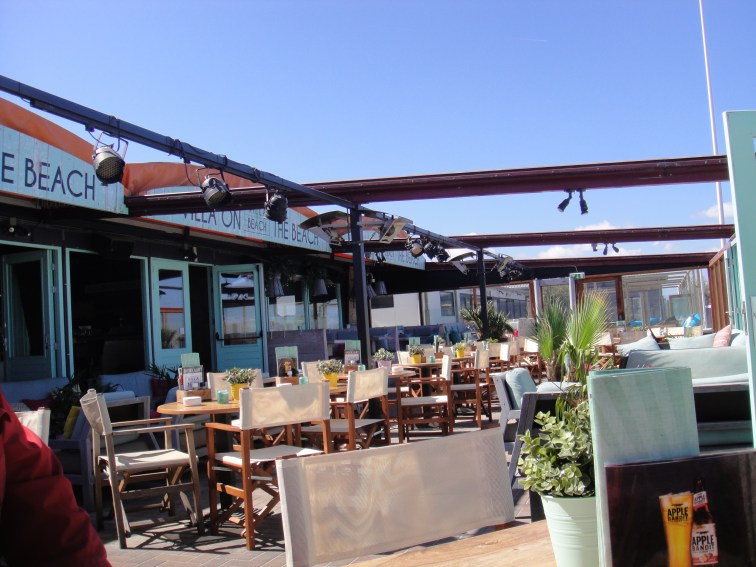
It was hard to tear myself away from all of this, but we moved on from there to the Hoek of Holland. This is a beach area with outside seating, fire pits, and cabanas. We had coffee and an outrageously big piece of cake with whipped cream.


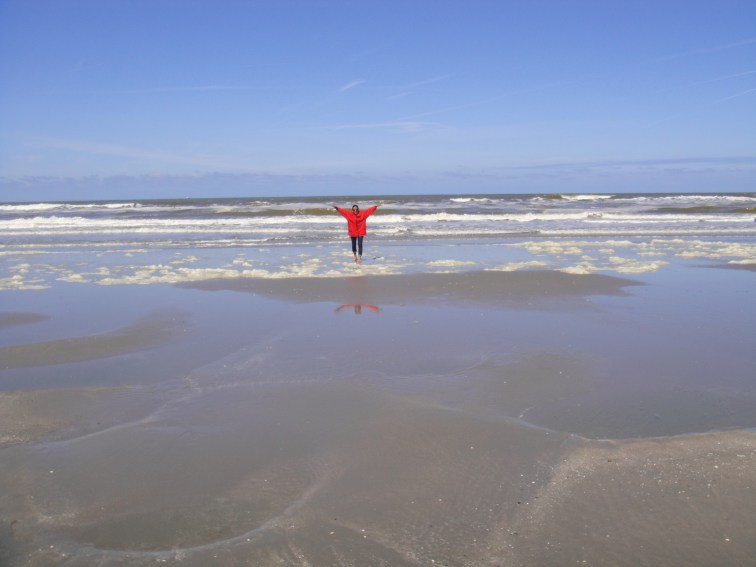
With the briny smell of the ocean all around us, I couldn’t pass up an opportunity to put my toes in the North Sea. The sand was surprisingly warm on the walk down to the edge of the sea, and it felt soft and comforting between my toes. The water in the little tidal pools was also warm, but the waves coming in were another story!
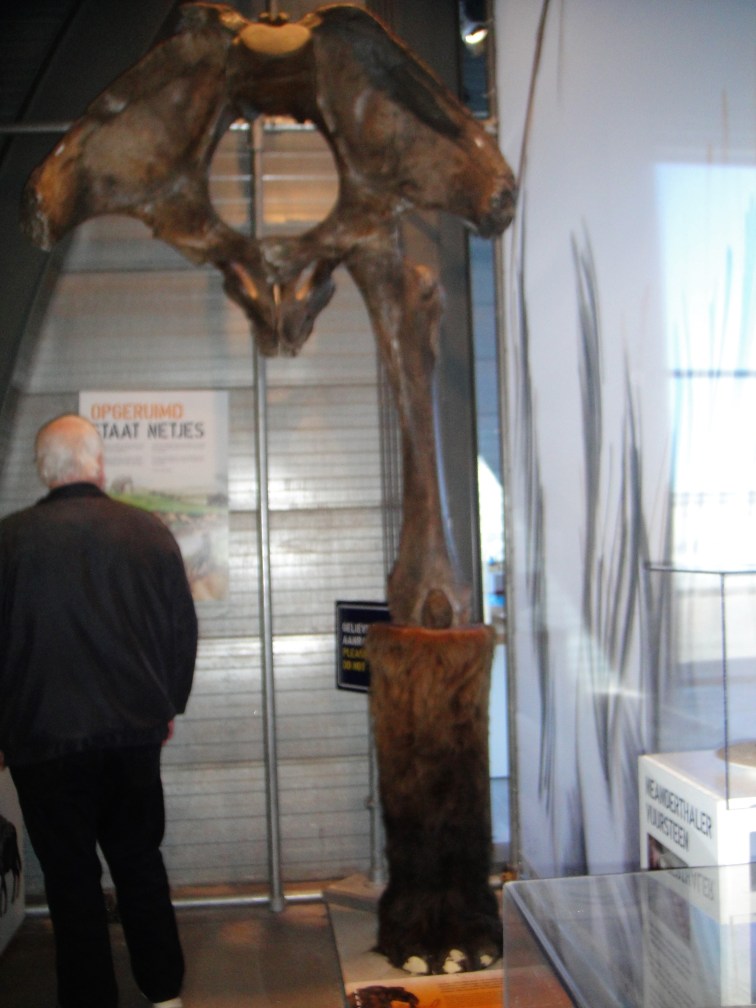
We took the ferry from Maasluis over to our last stop, Maasvlakte 2, an industrial area added to the Europort and Maasvlakte 1. It went from under the sea in 2008 to working sea terminals in 2013. The first photo below shows the process of land reclamation. During the dredging, they brought up prehistoric objects that caused them to stop the work until the archeologists had a chance to explore and catalog all the items found there. There was a treasure trove of wooly mammoth teeth, tusks, and feet; hyena teeth and scat; and jaw bones of prehistoric horses.

The roughly 8 square mile area is studded with cranes, container terminals, and power plants. It is a tribute to Dutch ingenuity and it is not an exaggeration to say that the ports of Rotterdam contribute greatly to the prosperity of the country.


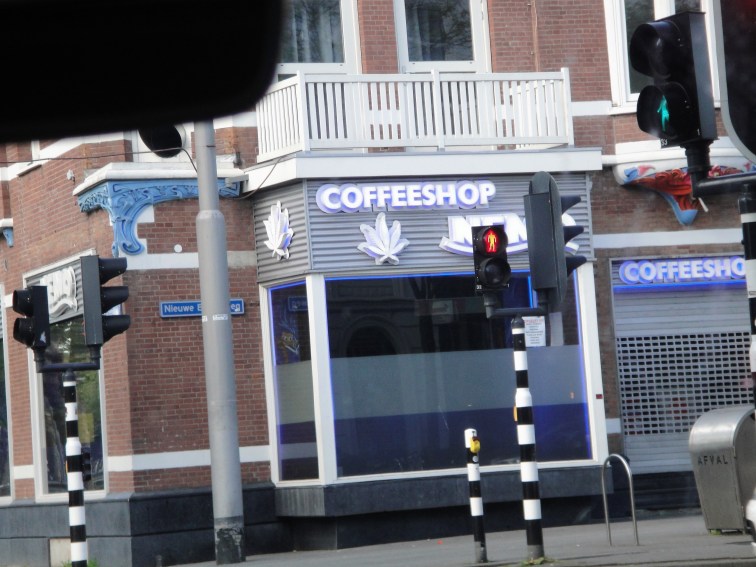
As we drove back into the city, I glimpsed another tribute to Dutch ingenuity as well as to their liberalism and marketing prowess.
 The Plot Thickens